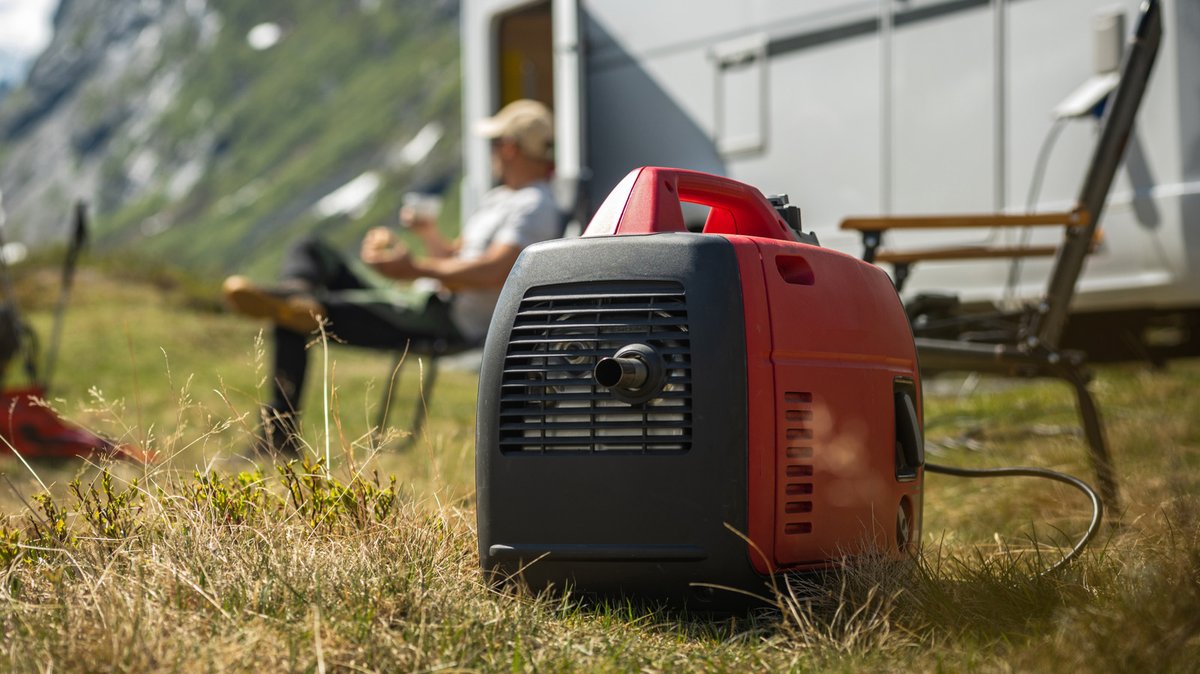
When the lights go out, the silence can be deafening – quickly followed by the hum of the refrigerator fading, the internet sputtering, and the comforting glow of screens disappearing. For many homeowners, a power outage isn't just an inconvenience; it's a disruption to daily life. That's where a robust backup power solution comes in. In this comprehensive guide, we're diving deep into Understanding 20 kW Generators: What They Are & How They Work, exploring how these workhorses can keep your home running smoothly when the grid can't.
A 20 kW generator is a powerful ally, capable of shouldering the electrical load of most standard homes. But is it the right fit for your sanctuary? And what exactly goes into making these machines tick? Let's unravel the mystery.
At a Glance: Powering Your Home with a 20 kW Generator
- A Powerhouse for Most Homes: A 20 kW generator typically handles the essential and many non-essential needs of an average-sized home.
- Capacity is Key: It delivers 20,000 watts of continuous power, but your home's total simultaneous energy consumption dictates its true suitability.
- Calculate, Don't Guess: Always tally the wattage of all devices you plan to run, considering both continuous and startup (peak) loads. Add a 20% reserve for safety and efficiency.
- Not a Primary Power Source: While powerful, 20 kW standby generators are designed for backup, not continuous, long-term primary use.
- Safety First, Always: Proper placement (outdoors, 20 feet away), adequate ventilation, and a transfer switch are non-negotiable.
- Maintenance Matters: Regular checks and servicing ensure your generator is ready when you need it most, extending its lifespan and reliability.
What Exactly Is a 20 kW Generator? (And What It Does for You)
At its core, a 20 kW generator is an engine-driven electrical power source designed to provide backup electricity. The "20 kW" (kilowatts) signifies its capacity: it can supply up to 20,000 watts of continuous electrical power. Think of it as a powerful mini-power plant for your property.
Unlike smaller, portable generators that might only run a few critical appliances, a 20 kW model offers a much broader scope. It’s built to integrate seamlessly into your home's electrical system, often automatically sensing a power outage and kicking into gear within seconds. This means your lights stay on, your refrigerator keeps humming, and your HVAC system maintains comfort, all without you having to lift a finger.
While a 20 kW generator can certainly provide significant backup power, it's crucial to understand it's generally not designed for continuous, long-term use as a primary power source. Its role is to bridge the gap during grid failures, ensuring your home remains functional and comfortable until utility power is restored.
Calculating Your Home's True Power Needs: More Than Just a Guess
Choosing the right generator isn't about guesswork; it's about accurate calculation. A 20 kW generator is capable, but its suitability for your home hinges on your specific energy demands. You need to understand your home's unique energy footprint.
Continuous vs. Peak Load: Understanding the Demand
Every electrical device has a wattage rating, indicating how much power it consumes. But not all watts are created equal:
- Continuous Load: This is the steady power devices consume while running normally. Think of lights, televisions, or a running refrigerator after its initial startup.
- Peak Load (Surge Wattage): Many appliances, especially those with motors (like refrigerators, air conditioners, or power tools), draw significantly more power for a brief moment when they first start up. This "surge" wattage can be several times higher than their continuous running wattage. Your generator must be able to handle these brief, higher demands without tripping or overloading.
The key to proper generator sizing is to account for both. You want your generator to smoothly handle the sum of all continuous loads plus the highest peak load from any single appliance starting up while everything else is running.
The 20% Reserve Capacity Rule: A Buffer for Better Performance
Once you've tallied your wattage needs, don't stop there. A good safety measure is to ensure your chosen generator has an additional 20% reserve capacity. This isn't just about avoiding a blackout; it's about smart power management:
- Running Multiple Devices: It allows you to run multiple high-draw devices simultaneously without constantly pushing your generator to its limits.
- Extending Generator Life: Operating with reserve capacity reduces stress on the engine and alternator, significantly extending the generator's lifespan.
- Improved Efficiency: A generator running at a comfortable load often operates more fuel-efficiently than one constantly struggling at maximum capacity.
- Safety Buffer: This reserve acts as a safety net against unexpected power surges or minor voltage fluctuations, protecting both your generator and your home's appliances.
Real-World Wattage Examples: What Your Home Appliances Consume
To give you a clearer picture, here are some common household appliances and their typical wattage draws:
| Appliance | Running Wattage (Approx.) | Surge Wattage (Approx.) |
|---|---|---|
| Refrigerator | 600-800W | 1,200-2,400W |
| Microwave (1000W) | 1,200W | N/A |
| Dishwasher | 1,500W | N/A |
| Central Air (3-ton) | 3,500-5,000W | 10,000-15,000W |
| Electric Dryer | 5,000W | N/A |
| Electric Water Heater | 4,500W | N/A |
| Sump Pump | 750-1,500W | 1,500-3,000W |
| Television (LED) | 50-200W | N/A |
| Laptop | 50-100W | N/A |
| LED Light Bulbs | 5-15W (each) | N/A |
| Note: Wattage can vary significantly by model and age of the appliance. | ||
| So, what does this look like in practice? A 3,500-square-foot home with modern, energy-efficient appliances might typically require 15kW to 18kW at peak load to run its essentials plus a few comforts. A larger home, perhaps with more occupants, several major appliances, central AC, and electric heating, could easily approach or exceed the 20kW capacity. If you're unsure about your specific needs, our comprehensive generator sizing guide offers a more detailed breakdown. |
How Home Size & Lifestyle Influence Your kW Needs
Your home's square footage is a starting point, but it's not the whole story.
- Home Size: Naturally, larger homes tend to have more rooms, more lights, and potentially more major appliances, leading to higher overall consumption.
- Number of Occupants: More people in a home generally translates to greater power usage – more devices charging, more hot water used, more lights on.
- Seasonal Demands: Don't forget peak seasonal requirements. Air conditioning in summer and heating systems in winter are often your biggest power draws. Plan for your highest anticipated demands.
- Energy-Efficient Appliances: Investing in Energy Star-certified appliances, LED lighting, and smart thermostats significantly reduces your overall power footprint. This efficiency can potentially allow for a smaller generator, saving you money both upfront and on operating costs.
Beyond the Basics: Altitude & Environment's Role
The environment your generator operates in also plays a part:
- High Altitudes: Thinner air at higher altitudes can slightly reduce a generator's output. If you live in a mountainous region, you might need to factor in a slightly higher-rated capacity to compensate.
- Poor Air Quality: Dusty or polluted environments demand more frequent maintenance, especially for air filters, to ensure efficient operation.
- Remote Locations: For off-grid or remote homes, fuel availability is key. Multi-fuel or renewable energy generators can be invaluable where traditional fuel sources are scarce.
The Mechanics Behind the Power: How a 20 kW Generator Works
While the thought of "power generation" might sound complex, the fundamental operation of a 20 kW generator is elegantly simple.
At its heart, a generator converts mechanical energy into electrical energy. Here's the simplified process:
- Engine Power: A fuel-powered engine (running on gasoline, diesel, natural gas, or propane) provides the mechanical force.
- Alternator Spin: This engine spins an alternator, which is essentially a series of magnets rotating around coils of wire (or vice-versa).
- Electricity Generation: This rotational motion creates a magnetic field that induces an electrical current in the wire coils. This is the electricity that powers your home.
- Voltage Regulation: A voltage regulator ensures the electricity produced is stable and at the correct voltage for your home's electrical system.
- Transfer Switch (for Standby Models): In standby generators, an automatic transfer switch constantly monitors the utility power. When it detects an outage, it seamlessly switches your home's electrical load from the utility grid to the generator, then switches back once utility power is restored.
Most 20kW standby generators leverage convenient fuel sources for a continuous supply. Natural gas models connect directly to your home's gas line, offering virtually unlimited runtime as long as gas service is uninterrupted. Propane models utilize large tanks, while diesel units also require on-site fuel storage. Diving deeper into generator fuel types can help you decide which is best for your situation.
On a full tank, depending on the load, a 20 kW generator typically provides power for roughly 8 hours. To extend this runtime, you can refuel (if using a portable model or a small tank for standby), or optimize your device use by turning off non-essential appliances.
The Upside: Why a 20 kW Generator Might Be Your Home's Best Friend
Investing in a 20 kW generator brings a wealth of benefits, offering peace of mind and unwavering comfort during unexpected blackouts.
- Comprehensive Home Power: This size can power virtually all critical systems in your home – from lights and heating/cooling to multiple refrigerators, water heaters, and major electronics. You won't have to pick and choose which appliances to run.
- Handles High-Demand Appliances: Unlike smaller generators, a 20 kW unit can comfortably run large central air conditioning units, electric dryers, and even an electric range simultaneously, ensuring minimal disruption to your daily routine.
- High Reliability and Longer Run Times: Especially true for natural gas or diesel models connected to a continuous fuel supply, these generators offer exceptional reliability and significantly longer run times compared to smaller gasoline-powered portable units.
- Flexibility for High-Demand Households: If you have a larger family, work from home, or simply value consistent comfort, a 20 kW generator provides the flexibility to run multiple devices without exceeding your power output. This means your home can operate almost as if the grid never went down.
- Enhanced Home Value: A permanently installed standby generator is often seen as a significant upgrade, adding value and appeal to your property, particularly in areas prone to power outages. When considering such an investment, it's wise to learn about standby versus portable models to fully understand the commitment.
The Downside: What to Consider Before You Buy
While a 20 kW generator offers undeniable advantages, it's also important to be aware of the potential drawbacks and practical considerations.
- Size and Noise: These are substantial machines. A 20 kW generator requires a dedicated installation space outside your home, often on a concrete pad. They are also significantly louder than smaller units, which can be a concern in densely populated residential areas or if noise regulations are strict.
- Fuel Consumption: Powering an entire home requires substantial fuel. Gasoline and propane consumption can be significant, leading to higher operating costs during extended outages. While diesel and natural gas models are often more fuel-efficient per kWh generated, they still require a considerable supply or a direct utility connection.
- Installation Costs: Installing a permanent 20 kW standby generator is a complex job. It involves pouring a concrete pad, making electrical system modifications (including a transfer switch), running fuel lines, and obtaining permits. This typically requires professional installation, which adds considerably to the overall cost. For a deeper dive into these expenses, you might want to consider understanding generator installation costs.
- Maintenance Requirements: To ensure reliability, 20 kW generators require regular maintenance, similar to a car engine. This includes oil changes, filter replacements, battery checks, and periodic professional servicing. Neglecting maintenance can lead to breakdowns when you need the generator most.
Keeping Your Power Safe: Essential Generator Safety Practices
Operating any generator, especially a powerful 20 kW unit, demands strict adherence to safety protocols. The primary danger associated with generators is carbon monoxide (CO) – an odorless, colorless, and invisible gas that can be fatal.
- Ventilation is Paramount: Generators produce carbon monoxide (CO) exhaust. NEVER run a generator inside a house, garage, basement, crawl space, or any other enclosed or partially enclosed area. Even with doors and windows open, CO can build up to dangerous levels.
- Strategic Placement: Always place your generator outdoors, on a flat, dry spot, away from windows, doors, vents, and any other openings where exhaust fumes could enter your home or a neighbor's. The recommended distance is at least 20 feet away from buildings.
- Use a Transfer Switch: For permanently installed standby generators, a transfer switch is not optional; it's a critical safety device. This device safely disconnects your home from the utility grid before connecting it to the generator, preventing dangerous "backfeed" of electricity into power lines. Backfeed can electrocute utility workers and damage your generator.
- Proper Cords and Connections: If using a portable 20 kW generator, always use heavy-duty, outdoor-rated extension cords that are appropriate for the wattage you're carrying. Ensure cords are in good condition, without frays or damage, and keep them out of high-traffic areas.
- Stay Dry: Never operate a generator in wet conditions. If rain or snow is expected, ensure your generator is protected by an open-sided canopy or a specially designed generator enclosure that allows for proper ventilation.
- Install CO Detectors: Supplement proper generator placement with battery-operated carbon monoxide detectors inside your home. These devices provide an early warning should CO somehow infiltrate your living space. For more detailed information on preventing this silent killer, read up on crucial carbon monoxide safety tips.
Beyond Installation: Keeping Your 20 kW Generator Running Smoothly
A 20 kW generator is a significant investment in your home's resilience. To ensure it's always ready to perform when called upon, regular maintenance is absolutely essential. Think of it like maintaining your car – neglecting it means potential breakdowns and reduced lifespan.
Here's a recommended maintenance checklist:
- Check Oil Level (Before Each Use/Monthly): Just like your car, your generator's engine needs proper lubrication. Check the oil level before starting the generator for an extended period, or at least monthly if it's a standby unit. Use the manufacturer's recommended oil type.
- Change Oil (Every 100 Hours or Annually): Oil breaks down and collects contaminants. Change the oil after approximately 100 hours of operation or at least once a year, whichever comes first. Refer to your owner's manual for precise intervals.
- Check Fuel Level (Before Each Use): Ensure you have sufficient fuel for the expected run time. For natural gas units, ensure the supply line is open. For propane or diesel, verify tank levels. Always use clean, fresh fuel.
- Inspect Air Filter (Before Each Use/Annually): A clogged air filter chokes the engine, reducing efficiency and output. Check it regularly; clean or replace it after 200 hours of operation or annually, or more often in dusty conditions.
- Inspect Spark Plugs (Often/Every 300 Hours): Spark plugs are vital for ignition. Check them often for signs of wear or carbon buildup. Replace them after 300 hours of operation or if they appear old, dirty, or damaged.
- Check Battery (Monthly/Annually): For electric-start or standby generators, the battery powers the starter motor. Check its charge monthly and perform a full check annually. Clean any corrosion from the terminals and ensure connections are tight.
- Check Fasteners (Annually): Vibrations can loosen bolts and screws. Annually, check and tighten any loose fasteners on the generator housing, engine, and mounting points.
- Inspect Belts, Hoses, and Wires (Annually): Look for signs of wear, cracks, or fraying on belts and hoses. Ensure all electrical wires are securely connected and free from damage. Replace any components that show signs of deterioration.
Always consult your generator's owner's manual for specific maintenance schedules and procedures, as recommendations can vary by brand and model. Consider scheduling an annual service with a professional generator technician to ensure everything is in top working order.
Making the Smart Choice: Is a 20 kW Generator Right for You?
Deciding on a 20 kW generator is a significant commitment, but an informed decision brings unparalleled peace of mind. Here's how to ensure you're making the smart choice for your home:
Accurately Estimate Your Power Requirements
Revisit the power calculation section. Don't skip this step. Make a detailed list of all appliances you absolutely need during an outage, plus any comforts you'd like to maintain. Calculate both continuous and peak wattage, then add that crucial 20% reserve. If your calculated total consistently comes in significantly lower than 15kW, a smaller, more economical 15kW model might suffice. Conversely, if you find yourself constantly exceeding 20kW, especially with multiple large appliances or electric heating, a 25kW or larger unit might be a better investment to truly cover your needs without stressing the system.
Evaluate Fuel Type Based on Your Priorities
- Natural Gas: Offers continuous fuel supply (as long as the gas line is active), often making it ideal for extended outages. However, gas lines can be vulnerable during earthquakes or severe weather.
- Propane: Clean-burning and long-lasting when stored in large tanks, but requires professional tank installation and refilling.
- Diesel: Highly efficient and durable, diesel generators are robust. However, diesel fuel has a limited shelf life and requires proper storage.
- Gasoline: Common for portable generators but less practical for 20 kW standby units due to rapid consumption and storage challenges.
Consider availability, reliability during an emergency, and long-term costs when making your choice.
Look for Essential Features
Modern 20 kW generators come with a host of features that enhance performance and convenience:
- Automatic Start: This is standard for most standby units, ensuring seamless power transfer without manual intervention.
- Load Management: Smart systems can prioritize power to critical circuits during high demand, preventing overload.
- Fuel-Efficient Modes: Some generators adjust engine speed based on demand, saving fuel.
- Remote Monitoring: Allows you to check your generator's status, fuel level, and maintenance alerts from your smartphone or computer.
- Automatic Maintenance Notifications: The generator alerts you when it's time for routine service.
The Professional Edge: Consult with an Installer
Even armed with all this knowledge, the single most valuable step you can take is to consult with a professional generator installer. They can:
- Perform an accurate on-site load assessment specific to your home's electrical panel.
- Advise on local codes and permitting requirements.
- Recommend the best fuel type and generator placement for your property.
- Handle the complex electrical and fuel line connections safely and correctly.
- Offer ongoing maintenance and support.
This expertise ensures your 20 kW generator is not just purchased, but perfectly integrated and ready to serve your home for years to come. Don't hesitate to explore 20 kW generator options and speak to experts who can guide your decision.
Your Home, Powered Through Anything
A 20 kW generator isn't just a piece of equipment; it's an investment in uninterrupted living. It means your family stays safe and comfortable, your food stays fresh, and your essential services remain online, even when the rest of the neighborhood goes dark. By understanding what these powerful machines are, how they work, and what it takes to size, install, and maintain them properly, you can make a confident decision that brings lasting peace of mind to your home.