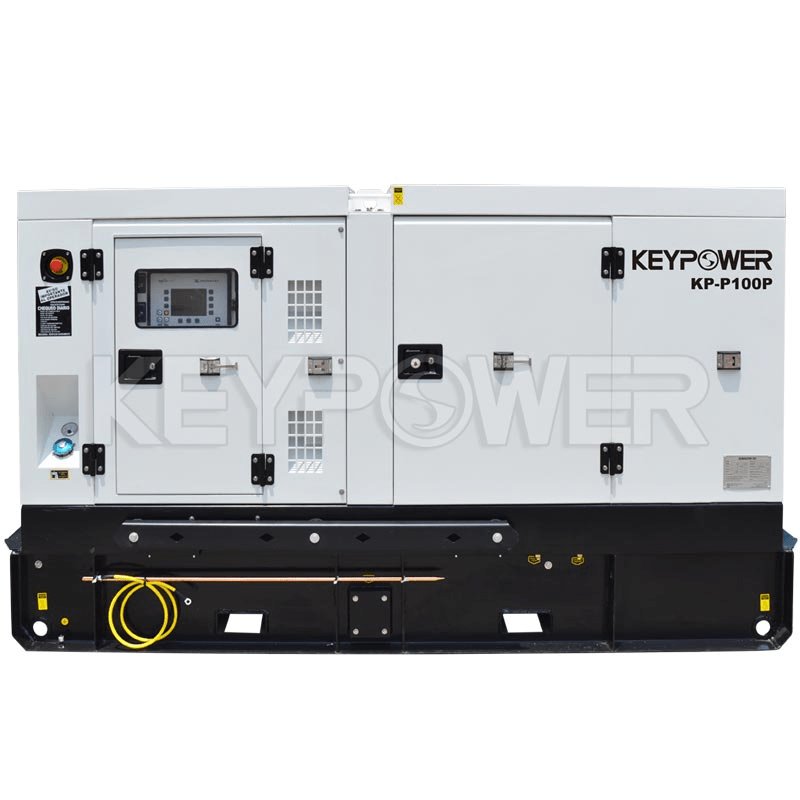
When the lights go out, a reliable backup generator isn't just a convenience; it's peace of mind, protecting everything from your refrigerated food to essential medical equipment and your family's comfort. Choosing the right one, especially in the 20 kW range, means navigating a sea of specifications, fuel types, and features. This comprehensive guide dives deep into the Top-Rated 20 kW Generators: Reviews & Comparisons, offering the authoritative insights you need to make an informed decision without getting bogged down in jargon. We'll strip away the noise and help you pinpoint the perfect power solution for your home or business.
At a Glance: Powering Up Your Understanding
- 20 kW Power: Ideal for whole-house backup, capable of running most essential appliances simultaneously in an average-sized home.
- Standby vs. Portable: Standby units (like Generac Guardian) offer automatic, seamless power transfer, while portable options (Westinghouse, DuroMax, GENMAX) provide flexibility and can be moved.
- Fuel Versatility: Natural gas and propane are common for standby, offering long run times. Portable generators often use gasoline, propane, or even tri-fuel for maximum flexibility.
- Inverter Advantage: Inverter generators (like GENMAX) are quieter and produce cleaner power, crucial for sensitive electronics, though often with lower maximum wattage.
- Key Features to Look For: Automatic transfer switches, remote monitoring (WiFi), safety shutdowns (low oil, CO), and robust warranties are non-negotiable for serious backup.
Why a 20 kW Generator? The Sweet Spot for Whole-Home Backup
Imagine a world where a power outage doesn't disrupt your life. Your refrigerator keeps humming, the AC stays on, and your Wi-Fi never skips a beat. That's the promise of a 20-kilowatt (kW) generator. For many homeowners, 20 kW represents the sweet spot—enough power to comfortably run an entire average-sized home, including major appliances like central air conditioning, furnaces, water heaters, and well pumps, without having to play a frustrating game of "which appliance gets power?".
Unlike smaller portable generators that might only cover a few essentials, a 20 kW unit can typically handle your critical circuits and many comfort items simultaneously. This capacity is often achieved through a dedicated home standby generator system, which automatically kicks on when the power fails, or by a powerful portable unit that you can connect to your home's electrical panel via a transfer switch.
Understanding Your Needs: Key Factors for Choosing the Right Generator
Selecting a generator isn't a one-size-fits-all situation. Your choice should align with your specific power demands, lifestyle, and property. Let's break down the essential factors.
Wattage Requirements: More Than Just a Number
Don't just guess your wattage. It's crucial to calculate your home's total running watts (the continuous power needed) and peak watts (the extra surge required to start motor-driven appliances like refrigerators or AC units). While 20 kW is a robust capacity, ensure it covers your specific needs. An energy audit or a simple calculation sheet can help. For most homes, a 20 kW capacity is indeed a solid choice for entire home backup, preventing the need to pick and choose what gets power during an outage.
Fuel Options: Your Power's Lifeline
The type of fuel a generator uses profoundly impacts its convenience, run time, and cost of operation.
- Natural Gas (NG): Best for standby generators connected directly to your home's gas line. It offers an unlimited fuel supply, meaning your generator can run indefinitely as long as the gas line is active. No refueling, no storage tanks.
- Propane (LP): Also common for standby units, using large external tanks. Offers long run times depending on tank size, but you'll need to monitor levels and arrange refills. It's also portable for some units.
- Gasoline: The most common fuel for portable generators. It's readily available but has a limited shelf life, requires regular refueling, and storage can be an issue.
- Dual-Fuel / Tri-Fuel: These versatile units can switch between fuel types (e.g., gasoline and propane, or even adding natural gas for tri-fuel options). This flexibility is excellent for portable generators, allowing you to choose the most convenient or available fuel source. A Westinghouse Tri-Fuel Generator, for example, exemplifies this flexibility, giving you choices when one fuel type might be scarce.
Starting Mechanisms: Effortless Power When You Need It
How your generator starts can range from manual effort to entirely automated.
- Automatic Transfer Switch (ATS): The gold standard for home standby generators. When grid power fails, the ATS senses the outage, signals the generator to start, and automatically transfers your home's electrical load. When power returns, it reverses the process. This means seamless, uninterruptible power with no action required from you.
- Remote Electric Start: Many portable generators offer a key fob or push-button electric start, making activation much easier than a manual recoil pull-start. Some even integrate with apps for smartphone control.
- Manual Recoil Start: Typically found on smaller, budget-friendly portable models, this requires physically pulling a cord to start the engine. It's less convenient but reliable.
Noise and Portability: Striking a Balance
Generators aren't known for being quiet, but advancements have made some models more neighbor-friendly.
- Inverter Generators: These are significantly quieter than conventional generators, producing a much smoother, cleaner power waveform (crucial for sensitive electronics). They're often more compact and fuel-efficient, though typically found in lower wattage ranges. The GENMAX Dual Fuel Inverter Generator is a great example of bringing inverter technology to a substantial backup power level.
- Standby Generators: While still producing noise, many are designed with sound-dampening enclosures, making them less intrusive than open-frame portable units.
- Portable Generators: Offer mobility, but remember they need to be moved, positioned, and connected manually. Their open frames often mean higher noise levels.
Safety Features: Non-Negotiable Protection
Safety should always be a top priority. Look for these essential features:
- Automatic Low Oil Shutdown: Protects the engine from damage by turning off if oil levels drop too low.
- Carbon Monoxide (CO) Detector: Essential for portable generators, as CO is an odorless, deadly gas. These detectors will shut down the generator if CO levels become dangerous.
- Circuit Protection: Prevents overloads and short circuits.
- GFCI Outlets: Ground Fault Circuit Interrupter outlets are crucial for preventing electrical shocks, especially when using the generator outdoors or in damp conditions.
- EPA and CARB Compliance: Ensures the generator meets emissions standards.
Durability and Warranty: Investing in Longevity
A generator is a significant investment, so you want it to last.
- Construction Materials: Look for sturdy materials like heavy-gauge steel frames, durable engine designs with copper windings (like the DuroMax XP13000EH), or cast iron engine sleeves (found in the Westinghouse 12500 Dual Fuel Generator) which contribute to engine longevity.
- Warranty: Warranties typically range from 1 to 5 years. A longer warranty often signals a manufacturer's confidence in their product's durability.
Convenience Features: Enhancing the User Experience
Modern generators come with features that make ownership easier and more intuitive.
- WiFi Connectivity/Remote Monitoring: For standby generators especially, WiFi-enabled remote monitoring allows you to check status, fuel levels, and receive alerts from your smartphone or computer, even when you're away from home. Generac Guardian models excel here.
- Fuel Gauges: Simple but essential for knowing when to refuel.
- Digital Displays: Provide real-time information on voltage, frequency, and hours of operation.
- Transfer Switch Compatibility: Crucial for connecting portable generators safely to your home's electrical system.
Brand Reputation and Price: The Value Equation
Reputable brands like Generac, Westinghouse, and DuroMax have established track records for reliability and customer support. While price is always a consideration, balancing it with quality, features, and the manufacturer's reputation for service is key to finding the ideal generator that meets both your needs and your budget.
Spotlight on the Top Contenders: In-Depth Generator Reviews
Now, let's explore some of the top-rated 20 kW (or comparably powerful) generators that stand out in the market.
Generac Guardian 20kW Home Standby Generator
The Gold Standard for Seamless Home Backup
The Generac Guardian 20kW is almost synonymous with home standby power, and for good reason. This unit is designed to provide comprehensive, whole-house power backup without you lifting a finger. When an outage occurs, its built-in automatic transfer switch (ATS) detects the power loss, starts the generator, and transfers your home's electrical load—all within seconds.
Key Features & Why It Stands Out:
- True Whole-House Power: Delivers a full 20 kW, easily handling most essential and comfort appliances in a typical home.
- Automatic Operation: Hands-off operation thanks to the ATS, providing peace of mind whether you're home or away.
- Fuel Flexibility: Runs on either natural gas (NG) or liquid propane (LP), offering continuous power with NG or long run times with LP tanks.
- WiFi-Enabled Remote Monitoring: Generac's Mobile Link allows you to check your generator's status from anywhere via a smartphone, tablet, or computer. Receive maintenance alerts and run status updates.
- 3-Phase Application Support: A crucial feature for some commercial or larger residential properties that require 3-phase power.
- 5-Year Limited Warranty: A strong warranty reflecting confidence in durability.
Best For: Homeowners seeking the ultimate in convenience and reliability for full-home backup, particularly those who experience frequent or prolonged power outages. It's a permanent installation, integrating seamlessly with your home.
Westinghouse Tri-Fuel Generator (up to 14,500 Peak Watts)
The Flexible Powerhouse for Any Situation
While not strictly "20 kW" in continuous output (it delivers 14,500 peak watts and 11,500 running watts on gasoline), the Westinghouse Tri-Fuel generator is a remarkably powerful and versatile portable option that often serves as a robust whole-house solution when connected via a transfer switch. Its biggest selling point is its ability to run on gasoline, propane, or natural gas.
Key Features & Why It Stands Out:
- Tri-Fuel Capability: The ultimate in fuel versatility. Switch between gasoline, propane, or natural gas depending on availability or preference. This is a game-changer for extended outages or diverse use cases.
- Heavy-Duty Engine: Powered by a robust 550cc 4-stroke OHV engine, built for demanding tasks and long run times.
- High Output: Provides substantial power, making it capable of backing up many essential home circuits.
- Remote Electric Start: Offers easy starting with a key fob, alongside a push-button and recoil start.
- Transfer Switch Compatible: Designed to easily integrate with a manual transfer switch for home backup.
- Long Run Time: Can run up to 19 hours on gasoline (at 25% load), providing extended operation.
Best For: Users who need a powerful portable generator with maximum fuel flexibility for home backup, job sites, or RV use, and appreciate the convenience of remote starting.
DuroMax XP13000EH Dual Fuel Portable Generator
Rugged Power, Built to Last
The DuroMax XP13000EH delivers a robust 13,000 peak watts and 10,500 running watts, making it another strong contender for whole-house portable backup. Known for its "XP" series durability, this dual-fuel generator is a workhorse designed to handle tough conditions.
Key Features & Why It Stands Out:
- Dual Fuel Technology: Operates on both gasoline and propane, giving you flexibility during emergencies.
- Durable Engine Design: Features copper windings for enhanced performance and longevity, often cited as a sign of quality construction in generators.
- High Amperage Capacity: Supports whole-house backup power, capable of running multiple major appliances simultaneously.
- Transfer Switch Ready: Equipped with an RV-ready outlet and designed to easily connect to a manual transfer switch.
- MX2 Technology: Allows you to get maximum power from each of the 120-volt receptacles, perfect for heavy loads.
- Built Tough: Designed for reliability and longevity, making it a favorite for both home backup and job site power.
Best For: Homeowners or contractors who need a highly durable, powerful dual-fuel portable generator that can reliably back up a significant portion of their home or power demanding tools on a job site.
GENMAX Dual Fuel Inverter Generator (7,250 Starting Watts)
Quiet, Clean Power in a Versatile Package
While it offers a lower wattage than the 20 kW standby units (7,250 starting watts, 6,000 running watts on gasoline), the GENMAX Dual Fuel Inverter Generator brings the undeniable benefits of inverter technology to a powerful, versatile portable unit. It's a fantastic option when noise levels and power quality are paramount.
Key Features & Why It Stands Out:
- Inverter Technology: Produces clean, stable power (low THD) safe for sensitive electronics like laptops, smartphones, and medical devices. Also significantly quieter than conventional generators.
- Dual Fuel Capability: Runs on gasoline or propane, offering convenience and extended run times.
- Digital Display: Provides real-time data on fuel level, output, and run time.
- USB Type-C Charging Ports: Modern convenience for direct device charging.
- Remote/Electric Start: Easy push-button or remote key fob starting.
- Parallel Function: Allows you to connect two GENMAX inverter generators for increased wattage, offering scalability for higher power demands without buying a single, much larger noisy unit.
- Compact & Portable: Lighter and easier to move than conventional generators of similar power.
Best For: Users who prioritize quiet operation and clean power for sensitive electronics, RVs, tailgating, or light home backup. It's also ideal for those who might need to scale up power by pairing two units.
Westinghouse 12500 Dual Fuel Generator
Reliable, Powerful, and User-Friendly Portable Backup
Another strong contender from Westinghouse, this 12,500 peak watt (9,500 running watts on gasoline) dual-fuel generator offers a blend of power, reliability, and user-friendly features, making it a popular choice for both home and RV applications.
Key Features & Why It Stands Out:
- Dual Fuel Flexibility: Operates on gasoline or propane, providing options during an outage.
- Robust Engine: Powered by a 457cc 4-stroke OHV engine with a cast iron sleeve for enhanced durability and longevity.
- Remote Start: Enjoy the convenience of starting the generator from a distance with a key fob.
- Multiple Receptacles: Includes two GFCI 120V outlets, a 120/240V 50A outlet (for transfer switch connection), and a 120V 30A RV-ready outlet, offering versatile power distribution.
- Automatic Low Oil Shutdown: Protects the engine from damage.
- Digital Hour Meter: Helps you keep track of run time for maintenance scheduling.
- Heavy-Duty Wheel Kit: Makes moving the substantial unit easier.
Best For: Homeowners needing a powerful, reliable dual-fuel portable generator with versatile outlets for home backup (via transfer switch) or extended RV use.
Comparing the Best: Which 20 kW Generator (or Similar) Is Right For You?
Choosing between these top-rated generators depends heavily on your priorities. Are you looking for automatic, permanent power, or a flexible, portable solution? Do you prioritize quiet operation, or raw power output?
| Feature / Model | Generac Guardian 20kW Home Standby | Westinghouse Tri-Fuel (11.5kW run) | DuroMax XP13000EH (10.5kW run) | GENMAX Dual Fuel Inverter (6kW run) | Westinghouse 12500 Dual Fuel (9.5kW run) |
|---|---|---|---|---|---|
| Type | Standby (Automatic) | Portable | Portable | Portable (Inverter) | Portable |
| Max Running Watts (Gas) | 20,000 | 11,500 | 10,500 | 6,000 | 9,500 |
| Fuel Options | Natural Gas, Propane | Gasoline, Propane, Natural Gas | Gasoline, Propane | Gasoline, Propane | Gasoline, Propane |
| Starting | Automatic Transfer Switch (ATS) | Remote Electric, Push, Recoil | Electric, Recoil | Remote Electric, Push, Recoil | Remote Electric, Push, Recoil |
| Noise Level | Moderate (Sound-dampened) | Higher | Higher | Quiet (Inverter) | Higher |
| Clean Power (THD) | Good | Standard | Standard | Excellent (<3% THD) | Standard |
| Key Features | WiFi Monitoring, 3-Phase Support | Tri-Fuel Versatility, Heavy-Duty Engine | Copper Windings, MX2 Tech | USB-C, Parallel Capable, Digital Display | Cast Iron Sleeve, Multiple Outlets |
| Best Use Case | Whole-Home Permanent Backup | Versatile Home/Job/RV (Max Flex) | Rugged Home/Job Site | Quiet, Sensitive Electronics/RV | Powerful Home/RV Backup |
| Warranty | 5-Year Limited | 3-Year Limited | 3-Year Limited | 2-Year Limited | 3-Year Limited |
| If your primary goal is effortless, truly hands-off whole-home power, especially if you're not always home during outages, the Generac Guardian 20kW is the clear leader. Its automatic operation and integration with your home's gas line provide unmatched convenience and reliability. For those considering a full home backup solution, it's worth taking the time to Learn more about 20 kW generators and their complete installation requirements. | |||||
| However, if you need a powerful, adaptable solution that you can move around—whether for home backup, a remote job site, or an RV—the choice becomes more nuanced: |
- For ultimate fuel flexibility and substantial portable power: The Westinghouse Tri-Fuel Generator stands out with its ability to run on three different fuel types.
- For rugged durability and strong dual-fuel performance: The DuroMax XP13000EH offers a robust build and plenty of power for demanding loads.
- For quiet operation, clean power for electronics, and scalability: The GENMAX Dual Fuel Inverter Generator is your go-to, even if its individual wattage is lower, its benefits are significant for certain applications.
- For a reliable, feature-rich dual-fuel portable unit: The Westinghouse 12500 Dual Fuel Generator balances power with convenience features like remote start and versatile outlets.
Beyond the Purchase: Installation, Maintenance, and Safety Tips
Getting the right generator is just the first step. Proper installation, consistent maintenance, and adherence to safety protocols are paramount for ensuring your investment performs when you need it most.
Professional Installation for Standby Units
A 20 kW home standby generator is a complex piece of equipment that interfaces with your home's electrical and gas systems. Professional installation by a licensed electrician and a qualified gas plumber is non-negotiable. They'll ensure your generator is correctly sized, meets all local codes, is properly connected to your electrical panel via the automatic transfer switch, and safely linked to your fuel supply (natural gas line or propane tank). This isn't a DIY project; improper installation can be dangerous and void warranties.
Essential Maintenance for Longevity
Like any engine, your generator needs regular TLC.
- Follow the Manufacturer's Schedule: This is your bible. It will detail oil changes, filter replacements (air, oil, fuel), spark plug checks, and more.
- Test Runs: Standby generators typically perform weekly or bi-weekly self-tests. For portable units, start them up and let them run under a light load for 15-30 minutes every month or two. This keeps parts lubricated and ensures it's ready for action.
- Fuel Management: For gasoline generators, use fresh fuel and consider a fuel stabilizer if storing for extended periods. For propane, check tank levels. For natural gas, ensure the line is clear.
- Battery Maintenance: Check the starting battery on electric-start models. Keep it charged and clean the terminals.
- Cleanliness: Keep the generator free of debris, dust, and pests. Ensure proper airflow.
Safety First: Operating Your Generator
Generator safety is paramount to prevent accidents.
- NEVER Run Indoors: This is the golden rule. Generators produce carbon monoxide (CO), an odorless, colorless, deadly gas. Always operate generators outdoors, away from windows, doors, and vents, and with ample ventilation. Even a garage with the door open is not safe.
- Proper Connection: For home backup, always connect portable generators via a manual transfer switch installed by a qualified electrician. Never "backfeed" power by plugging it directly into a wall outlet, as this can electrocute utility workers.
- Dry Conditions: Keep the generator dry. If it's raining, use a generator cover or canopy that allows for proper ventilation, but never operate it in standing water.
- Fuel Storage: Store fuel safely in approved containers, away from living areas and ignition sources.
- Extension Cords: Use heavy-duty, outdoor-rated extension cords that are properly rated for the load you're drawing. Inspect cords for damage before use.
- Fire Extinguisher: Keep a fire extinguisher nearby.
Common Questions About 20 kW Generators
Let's tackle some frequently asked questions that come up when people are considering a 20 kW generator.
How much does a 20 kW generator cost to run?
The running cost varies significantly based on fuel type and current fuel prices.
- Natural Gas: Generally the most economical for extended use due to pipeline delivery and often lower cost per BTU compared to propane. However, consumption rates vary by model and load.
- Propane: More expensive than natural gas per BTU and requires tank refills. A 20 kW generator can consume several gallons of propane per hour under load, so a large tank is essential for long outages.
- Gasoline: Often the most expensive to run for extended periods due to higher cost per gallon and faster consumption. It also requires frequent refueling.
- Inverter Generators: Often more fuel-efficient due to their ability to throttle engine speed based on load.
Always check the specific fuel consumption rates provided by the manufacturer for the model you're considering.
Can a 20 kW generator power an entire house?
Yes, generally a 20 kW generator is capable of powering an entire average-sized house. This includes essential appliances like refrigerators, freezers, lights, and furnaces, along with several comfort items such as a central air conditioner, microwave, television, and even a well pump. The exact number of appliances it can run simultaneously depends on their individual wattage demands and the efficiency of your home's electrical system. For larger homes with multiple high-demand appliances, it's always wise to perform a professional load calculation.
What size is a 20 kW generator (physically)?
Physical dimensions and weight vary between models and types (standby vs. portable).
- 20 kW Home Standby Generators (e.g., Generac Guardian): These are substantial units designed for outdoor, permanent installation. They typically stand 2-3 feet tall, 4-5 feet long, and 2-3 feet wide, often weighing between 400-600 pounds. They are enclosed in weather-resistant casings.
- Portable Generators (e.g., Westinghouse 12500): While powerful, these are still designed to be moved. They might be similar in length and width to standby units but are usually slightly shorter and lighter, often with rugged wheels and handles. Weight can range from 200-350 pounds or more. Inverter models tend to be more compact for their power output.
Always check the product specifications for exact dimensions to ensure you have adequate space for installation and operation.
Making Your Decision: Empowering Your Power Choice
Navigating the world of generators can feel overwhelming, but by focusing on your core needs and understanding the key differences, you can make a confident choice. Whether you opt for the automated peace of mind of a Generac Guardian, the versatile power of a Westinghouse Tri-Fuel, or the quiet efficiency of a GENMAX Inverter, you're investing in your family's safety and comfort.
Remember to consider:
- Automatic vs. Manual: Do you want hands-off operation or are you comfortable with manual setup?
- Fuel Preference: What fuel type offers the best convenience and availability for your situation?
- Noise Level: How important is quiet operation, especially if neighbors are close?
- Budget: Balance initial cost with long-term running expenses and maintenance.
Don't hesitate to consult with a licensed electrician or generator specialist. They can help you with load calculations, proper sizing, and safe, compliant installation. With the right 20 kW (or comparably powerful) generator, you'll be well-prepared to weather any storm, keeping your lights on and your life running smoothly.