When the lights go out, or when there are no lights to begin with, a reliable power source isn't just a convenience – it's a lifeline. This is where 20 kW generators shine, offering a versatile blend of robust power and practical flexibility. Understanding the full spectrum of Applications & Use Cases for 20 kW Generators (Home, Business, Remote Sites) is key to making an informed decision about this powerhouse equipment. Whether you're safeguarding your family, ensuring business continuity, or powering a project far from the grid, a 20 kW unit often hits the sweet spot between overwhelming capacity and insufficient output.
This comprehensive guide cuts through the noise to help you understand precisely how these generators can serve your needs, what to look for, and how to operate them safely and efficiently.
At a Glance: Your 20 kW Generator Essentials
- Whole-Home Power: A 20 kW generator can comfortably power most average-sized homes, including major appliances, HVAC, and sensitive electronics during an outage.
- Business Continuity: Ideal for small to medium businesses (SMBs), retail, restaurants, and critical IT infrastructure to prevent costly downtime.
- Off-Grid Versatility: Perfect for remote construction sites, agricultural operations, cabins, mobile events, and disaster relief where grid power is nonexistent or unreliable.
- Standby vs. Portable: Choose between permanent, automatic standby units for seamless home/business backup, or portable units for flexibility across multiple locations.
- Fuel Flexibility: Many 20 kW models offer dual- or tri-fuel options (gasoline, propane, natural gas) to match your availability and runtime needs.
- Critical Features: Look for low Total Harmonic Distortion (THD) for sensitive electronics, automatic transfer switch readiness, safety shut-offs, and a rugged build.
- Maintenance is Key: Regular checks and servicing are crucial to ensure your generator is ready to perform when you need it most.
Why 20 kW? The Sweet Spot for Power and Practicality
In the world of generators, 20 kilowatts (kW) represents a significant leap in capability compared to smaller, more common portable units. While a 5 kW generator might handle a few essential appliances, a 20 kW unit opens up a much wider array of possibilities, often providing enough juice for whole-house backup or substantial commercial and industrial applications.
Think of 20 kW as approximately 20,000 watts of continuous running power. This isn't just about keeping the lights on; it's about maintaining a semblance of normalcy during an outage or establishing a fully functional site in the wilderness. It's enough to run your central air conditioning, refrigerator, well pump, water heater, and still have power left over for your entertainment system and sensitive home office equipment. For businesses, it translates into keeping production lines moving, data servers online, and customer service uninterrupted.
This capacity positions 20 kW generators as a powerful, yet still manageable, solution. They offer substantial output without the massive footprint, complex installation, or prohibitive cost of much larger industrial generators, making them an excellent choice for a broad spectrum of users. When exploring the right fit for you, remember that we offer a range of solutions tailored to your specific needs; discover more about our options at Our 20 kW generator solutions.
Powering Your World: Applications of 20 kW Generators
A 20 kW generator is a workhorse, capable of supporting diverse environments. Let’s dive into the specific scenarios where these robust machines truly make a difference.
Home Sweet Home: Whole-House Backup & Beyond
For homeowners, a 20 kW generator moves beyond basic survival, offering true peace of mind and comfort.
Emergency Power for Modern Living
When a storm knocks out power, a 20 kW generator can keep your entire home operational. This means your HVAC system continues to regulate temperature, your refrigerator and freezer protect perishable food, and your water heater provides hot showers. For many, it's not just about comfort but necessity, especially in extreme weather conditions.
Comfort and Convenience
Beyond essentials, a 20 kW unit allows you to continue using your everyday appliances without compromise. Imagine your washing machine, dryer, microwave, oven, and even home entertainment systems all running smoothly, just as they would with grid power. This capacity is invaluable for families, ensuring children can still do homework, and everyone can relax without feeling completely cut off.
Medical Needs and Sensitive Electronics
For homes with medical equipment (like CPAP machines, oxygen concentrators, or specialized refrigeration for medications), uninterrupted power is non-negotiable. Many 20 kW generators, especially those with low Total Harmonic Distortion (THD), are perfectly suited to power these sensitive devices, as well as computers, smart TVs, and gaming consoles, protecting them from voltage spikes and sags.
Mini Case: A Family's Storm Resilience
During a harsh winter storm, the Miller family's suburban home lost power for three days. Their 20 kW standby generator, fueled by natural gas, kicked on automatically within seconds. Their central heating kept the house warm, the refrigerator preserved their groceries, and the kids could continue their online schooling without interruption. "It wasn't just about surviving," Mrs. Miller recounted, "it was about thriving, even when everyone else on the street was struggling."
Business Continuity: Keeping Operations Humming
For businesses, power outages aren't just an inconvenience; they're a direct hit to the bottom line, leading to lost revenue, damaged reputation, and potential data loss. A 20 kW generator provides a robust defense.
Small to Medium Businesses (SMBs)
Many SMBs, from accounting firms to marketing agencies, rely heavily on electricity for their daily operations. A 20 kW generator can power office lighting, computers, servers, point-of-sale systems, and communication equipment, ensuring employees remain productive and customer service continues uninterrupted. This prevents the significant financial losses and operational headaches that even a short outage can cause.
Retail and Restaurants
Imagine a restaurant losing power during peak dinner service – spoiled food, lost customers, and a frustrated staff. A 20 kW generator can keep the kitchen running, refrigeration units chilling, and dining areas lit, allowing the business to continue serving patrons. Similarly, retail stores can maintain their checkout systems, lighting, and security, avoiding theft risks and customer inconvenience.
Data Centers and IT Infrastructure
While massive data centers require much larger power plants, smaller server rooms or specialized IT infrastructure components can often be adequately protected by a 20 kW unit. It can provide the critical backup needed to keep essential servers, network equipment, and cooling systems online, preventing data corruption or extended downtime that could cripple an organization.
Agricultural Operations
Farms, whether for livestock or crops, have critical power needs for water pumps, milking machines, environmental controls, and grain drying equipment. A 20 kW generator offers the muscle to keep these operations running, protecting livelihoods and animal welfare, especially in remote areas where grid reliability can be questionable.
Mini Case: A Local Restaurant's Uninterrupted Service
"The Bistro" experienced a sudden power failure during a busy Friday night. Their 20 kW dual-fuel portable generator, prepped and ready with a manual transfer switch, had them back up and running within minutes. The kitchen staff continued cooking, the refrigerators kept food safe, and only a few customers even noticed the brief flicker. The owner attributed saving hundreds of dollars in lost sales and spoiled inventory to their generator investment.
Off-Grid & Remote Sites: Powering Beyond the Grid
When there's no utility pole in sight, a 20 kW generator becomes the primary source of power, making challenging projects and remote living possible.
Construction & Job Sites
Remote construction sites often lack grid access. A 20 kW generator is ideal for powering heavy-duty tools like saws, welders, and concrete mixers, along with site lighting, temporary offices, and charging stations for cordless tools. Its robust output supports multiple trades simultaneously, keeping projects on schedule and budgets intact.
Remote Cabins & Research Stations
For off-grid living or scientific research in isolated locations, a 20 kW generator provides independent power. It can run everything from essential lighting and refrigeration to sophisticated scientific instruments, communication systems, and heating/cooling, creating a comfortable and functional environment away from civilization. Many use these in conjunction with solar or other renewable sources for a hybrid power solution.
Outdoor Events & Mobile Operations
Concerts, weddings, food truck rallies, and film shoots held in parks or undeveloped venues require significant temporary power. A 20 kW generator can supply the electricity for sound systems, elaborate lighting, catering equipment, and mobile command centers. Quieter inverter models (if available in this range, though less common) or strategically placed traditional generators are often chosen for these applications.
Disaster Relief & Field Operations
In the aftermath of natural disasters, or during military and humanitarian field operations, rapid deployment of reliable power is critical. A 20 kW portable unit can power temporary shelters, field hospitals, communication arrays, water purification systems, and essential tools, supporting recovery efforts and maintaining mission-critical functions in harsh environments.
Mini Case: Powering a Wilderness Research Post
A team of biologists conducting long-term wildlife research deep in a national forest relied on a 20 kW tri-fuel portable generator. It powered their essential lab equipment, satellite communications, lights, and a small heating unit. The ability to switch between gasoline and propane, and even tap into a small natural gas line they had run, provided crucial flexibility in a remote area with uncertain fuel deliveries.
Choosing Your 20 kW Powerhouse: Key Decision Factors
Selecting the right 20 kW generator involves more than just looking at the wattage. It's about matching specific features and capabilities to your unique needs.
Standby vs. Portable: A Fundamental Choice
The first major decision is often between a standby generator, a permanent fixture, and a portable unit, designed for mobility.
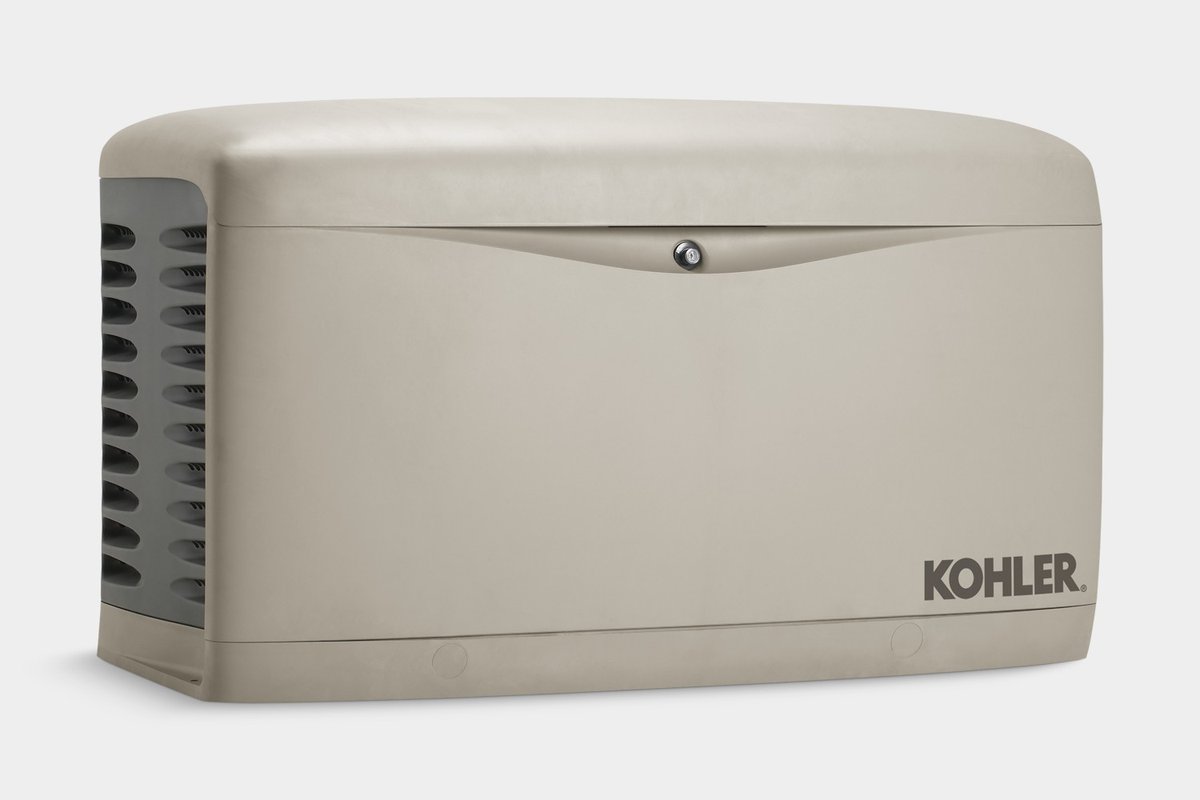
- Standby Generators (e.g., Kohler 20kW with ATS): These units are permanently installed outside your home or business, often connected to your natural gas line or a large liquid propane tank. They feature an Automatic Transfer Switch (ATS) that detects power outages and seamlessly switches your power source from the grid to the generator, typically within seconds.
- Pros: Fully automatic operation, seamless power restoration, no refueling during an outage (with natural gas), quieter than many portables of similar output, longer lifespan with proper maintenance.
- Cons: Higher upfront cost, professional installation required, less fuel-flexible (usually natural gas or LP), fixed location.
- Portable Generators (e.g., Westinghouse WGen14500DF): These units are designed to be moved, typically on wheels, and stored when not in use. They require manual setup, starting, and often a manual transfer switch or heavy-duty extension cords to connect to your loads.
- Pros: More affordable, highly versatile for different locations (home, job site, events), often multi-fuel, easier DIY setup for simple applications.
- Cons: Manual operation required, generally louder, consume more fuel per hour, need a safe operating distance, less seamless power transfer.
Fuel Matters: Gasoline, Propane, Natural Gas, or Tri-Fuel?
Your fuel choice impacts runtime, cost, emissions, and storage.
- Gasoline: Widely available, but has a limited shelf life (requires stabilizers or frequent rotation), is highly flammable, and produces more emissions. Large 20 kW portables can consume fuel rapidly, leading to frequent refueling.
- Propane (LP): Stores indefinitely, burns cleaner than gasoline, and can be easily stored in tanks. However, it's often more expensive, and generators typically produce slightly less wattage on propane than on gasoline. You'll need multiple tanks for extended outages.
- Natural Gas: The cleanest-burning option, delivered directly to your home via a utility line, meaning virtually unlimited runtime during an outage. Only available for standby generators connected to a gas line. Like propane, it often results in a slightly lower power output compared to gasoline.
- Dual-Fuel or Tri-Fuel: Many portable 20 kW generators offer the flexibility to run on two or three different fuel types (e.g., gasoline and propane for dual-fuel, or gasoline, propane, and natural gas for tri-fuel). This flexibility is invaluable, allowing you to choose the most convenient or available fuel source for any given situation. Be aware that wattage will vary by fuel type.
Essential Features for Safety and Performance
Don't overlook the technical details; they significantly impact usability and safety.
- Automatic Transfer Switches (ATS) & Manual Transfer Switches: For home or business backup, a transfer switch is crucial. An ATS (typically with standby generators) automatically isolates your property from the grid before sending generator power, preventing dangerous backfeed. Manual transfer switches (for portables) require you to flip breakers yourself. Always ensure your generator is "transfer-switch ready" with the appropriate outlets (e.g., 30A L14-30R or 50A 14-50R).
- Total Harmonic Distortion (THD): Sensitive electronics like computers, smart TVs, and medical equipment require "clean" power to prevent damage. Aim for a generator with a THD rating under 5%. Some conventional generators may have higher THD, so always check specifications.
- Starting Mechanisms: Electric start (push-button) is a major convenience. Remote start lets you power up from indoors. Recoil (pull-cord) is a reliable backup.
- Safety Shut-offs: Critical features include automatic low-oil shutdown (prevents engine damage), CO (Carbon Monoxide) shutdown (monitors and shuts down if CO levels are too high), and overload protection (prevents damage from excessive loads).
The Weight of Power: Portability and Build
While "portable," a 20 kW generator is a substantial piece of equipment. Units in this class typically weigh between 350-420 pounds. Look for features that aid mobility, such as:
- Heavy-duty wheels: Large, never-flat wheels are essential for navigating varied terrain.
- Rugged steel frame: A durable frame protects internal components during transport and operation.
- Stout handles/lift brackets: For moving the unit or securing it for transport.
Noise and Emissions: Being a Good Neighbor
Large generators are inherently noisy. 20 kW units typically operate in the 72-85 dB range under load – comparable to a vacuum cleaner or a busy street.
- Placement: Always position the generator at least 20-30 feet away from occupied buildings, doors, and windows to mitigate noise and prevent carbon monoxide buildup indoors.
- Barriers: Sound-absorbing barriers (non-combustible, well-ventilated) can help reduce noise propagation, but never enclose a generator completely.
- Emissions Compliance: Check local regulations and certifications (e.g., EPA Tier 4, CARB) to ensure your chosen model meets environmental standards.
Maintenance & Longevity: Keeping Your Generator Ready
A generator is an investment that requires ongoing care. Regular maintenance ensures it performs reliably when needed. This includes:
- Daily/Pre-use checks: Oil levels, air filter condition, fuel levels, leaks.
- Oil changes: Typically every 50-100 hours of operation or annually.
- Spark plug and filter service: Around 100 hours or annually.
- Monthly load test: Run the generator under a significant load for 15-30 minutes to circulate fluids and ensure readiness.
- Fuel system cleaning: Especially important for gasoline units.
- Battery maintenance: For electric start models.
- Pre- and post-season inspections: To prepare for and recover from heavy use periods.
Spotlight on 20 kW Generators: Examples from the Field
To give you a clearer picture, let's look at some popular options that exemplify the capabilities and features of 20 kW class generators.
The Seamless Standby Choice: Kohler 20kW Standby Generator with 200-amp Automatic Transfer Switch
- Best For: Homeowners or small businesses demanding fast, seamless whole-home backup.
- Key Specs:
- Output: 18 kW (natural gas), 20 kW (liquid propane).
- Engine: Kohler Command PRO V-2 999 cc (30.9 HP), 4-cycle.
- Features: RXT 200-amp, service-entrance-rated ATS for ~10-second power restoration. PowerBoost technology for handling large starting loads (e.g., central AC). Hydraulic valve lifters reduce maintenance.
- Why it stands out: This is the epitome of "set it and forget it" power. Its automatic transfer switch ensures minimal disruption, and its robust Kohler engine is designed for reliability and extended runtimes. The PowerBoost technology is a huge advantage for homes with high surge requirements.
The Robust Portable Performer: Westinghouse WGen14500DF (Dual-Fuel)
- Best For: Homeowners or RV users seeking near whole-home backup without permanent installation, offering gasoline/propane flexibility and clean power.
- Key Specs:
- Output: 18,000 peak / 14,500 running watts (gasoline); 16,000 peak / 13,000 running watts (propane). (Note: While running watts are ~14.5 kW, its peak capacity often puts it in discussion with 20kW-class options).
- Engine: 713cc OHV V-Twin with copper windings.
- THD: Under 5% for sensitive electronics.
- Outlets: Transfer-ready 120/240V L14-30R (30A) and 14-50R (50A), two 120V 5-20R GFCI, 120V L5-30R, two USB ports.
- Start: Push-button and remote.
- Runtime: Up to 11 hours from a 10.5-gallon tank (on gasoline at 25% load).
- Why it stands out: This is a beast of a portable generator. Its high wattage can handle a significant portion of a home's load, and its low THD makes it safe for sensitive devices. The dual-fuel capability, multiple start options, and transfer-switch readiness make it incredibly versatile for both emergency home backup and demanding job sites.
The Versatile Tri-Fuel Option: Westinghouse 13,500W Tri-Fuel
- Best For: Contractors, RV owners, and homeowners prioritizing ultimate fuel flexibility and a high-output portable unit for large loads.
- Key Specs:
- Output (Running Watts): 10,500W (gasoline), 9,500W (propane), 8,500W (natural gas). (Again, while running wattage is lower, its peak and versatility align with high-demand portable discussions).
- Engine: Heavy-duty 500cc OHV with cast-iron sleeve, low-oil and CO shutdowns.
- Start: Remote, electric, or recoil.
- Runtime: Up to 19 hours from a 9.5-gallon tank (on specific fuels/loads).
- Outlets: Two GFCI 120V 20A, transfer-switch-ready 120V L14-30R, RV-ready 120/240V 14-50R.
- Why it stands out: The tri-fuel capability is its major selling point, offering unparalleled adaptability to whatever fuel is most available or convenient. It's a robust, feature-rich portable generator designed for demanding users who need reliable power across various scenarios.
Smart Practices for Safe and Effective Operation
Owning a 20 kW generator means taking on the responsibility of safe and effective operation. These are not small appliances; they require respect and careful handling.
Installation and Placement
Whether standby or portable, proper placement is paramount.
- Ventilation is key: Generators produce dangerous carbon monoxide (CO) gas. Always operate generators outdoors, far away from windows, doors, and vents that could allow CO to enter your home or business.
- Distance: Maintain at least 20 feet (6 meters) between the generator and any building. Position the exhaust away from any structures or people.
- Level surface: Ensure the generator is on a stable, level surface to prevent tipping and ensure proper oil circulation.
- Protection from elements: While designed for outdoor use, protecting your generator from direct rain and snow with a proper, open-sided enclosure can extend its life. Never operate a generator in an enclosed space, even a partially open garage.
Fuel Storage and Handling
Fuel is flammable and must be handled with extreme care.
- Store safely: Keep fuel in approved containers, away from living areas, heat sources, and open flames.
- Refuel cautiously: Always turn off the generator and let it cool down before refueling. Spilled fuel on a hot engine can ignite.
- Ventilation: Ensure good ventilation when handling fuel to avoid inhaling fumes.
Regular Maintenance Schedule
Adhere strictly to the manufacturer's recommended maintenance schedule. This ensures longevity and peak performance. Keep a log of maintenance tasks and hours of operation.
Load Testing: Don't Wait for an Emergency
It's vital to test your generator regularly, not just visually inspect it.
- Monthly exercise: Run your standby generator for at least 15-30 minutes each month, preferably under a light to moderate load. This keeps fluids circulating, lubricates seals, and verifies readiness.
- Portable testing: For portable units, do the same a few times a year, or before any anticipated need. Connect some appliances to ensure it starts, runs smoothly, and handles the load.
Financing and Rental Options
If purchasing outright isn't feasible, consider alternatives.
- Rentals: For short-term projects, seasonal needs, or one-off events, renting a 20 kW generator can be a cost-effective solution. Compare rates, deposits, insurance requirements, and return policies.
- Financing: Many dealers offer financing plans for larger generator purchases, spreading the cost over time. Always read the terms and conditions carefully.
Common Questions About 20 kW Generators, Answered
Let's tackle some of the most frequent queries about these powerful units.
"Can a 20 kW generator really power my whole house?"
For most average-sized homes (typically 1,500-3,000 sq ft), a 20 kW generator is more than sufficient to power essential appliances, HVAC, lighting, and even some non-essentials. The key is to calculate your total anticipated load, including the higher "starting watts" or "surge watts" required by motors (like your AC unit or refrigerator compressor). If your home has multiple large AC units, a pool pump, or electric car chargers running simultaneously, you might need to manage your power consumption or consider a slightly larger unit.
"How much fuel does a 20 kW generator consume?"
Fuel consumption varies significantly based on the load (how much power you're drawing) and the fuel type. A 20 kW generator running at full load will consume considerably more fuel than one running at 25% capacity. As a rough estimate:
- Gasoline: At full load, expect 2-3 gallons per hour (GPH). At half load, it might be 1-1.5 GPH.
- Propane: At full load, around 2-3 gallons per hour (GPH). At half load, it might be 1-1.5 GPH.
- Natural Gas: For a 20 kW unit, consumption can be around 250-300 cubic feet per hour (CFH) at full load.
Always check the manufacturer's specifications for precise fuel consumption rates at different loads.
"Are 20 kW portable generators really 'portable'?"
While they have wheels and handles, "portable" for a 20 kW generator means it can be moved around a job site or loaded onto a trailer, not that it's easily carried by one person. These units typically weigh 350-420 pounds, requiring at least two strong individuals or mechanical assistance (like a forklift) for loading and unloading onto a vehicle. Their portability is about flexibility of location, not ease of carrying.
"What's the difference between peak and running watts?"
- Running Watts (Rated Watts): This is the continuous power a generator can supply to run your appliances and tools. When you calculate your total load, you sum up the running watts of everything you expect to power simultaneously.
- Peak Watts (Starting Watts/Surge Watts): This is the extra burst of power a generator can briefly provide to start motor-driven appliances (like refrigerators, air conditioners, or power tools). Motors require significantly more power to start than they do to run. Your generator's peak wattage must be high enough to handle the largest starting load you anticipate.
"Do I need an electrician to install a 20 kW generator?"
For standby generators and for safely connecting a portable generator to your home's electrical system via a transfer switch, yes, absolutely. This is not a DIY job. Improper installation can be extremely dangerous, leading to electrocution, fire, or "backfeed" that sends electricity back into the utility grid, endangering utility workers. Always hire a licensed electrician to ensure your generator is installed safely and complies with all local electrical codes.
Your Next Steps to Uninterrupted Power
Choosing and implementing a 20 kW generator is a significant decision that offers invaluable security and operational freedom. You've now got a solid understanding of where these robust powerhouses fit, from safeguarding your home and business to enabling projects in the most remote corners.
Your next step is to accurately assess your specific power needs. Create a detailed list of all appliances, tools, or equipment you intend to power, noting both their running and starting wattage. This will confirm if a 20 kW unit is the right size for you. Then, consider your primary use case: Do you need seamless, automatic backup (standby) or flexible power on the go (portable)? Evaluate fuel options based on availability and cost in your area.
Finally, don't underestimate the importance of professional installation for home or business integration, and commit to a consistent maintenance schedule. With these considerations in mind, you'll be well-equipped to select a 20 kW generator that provides dependable, peace-of-mind power for years to come.