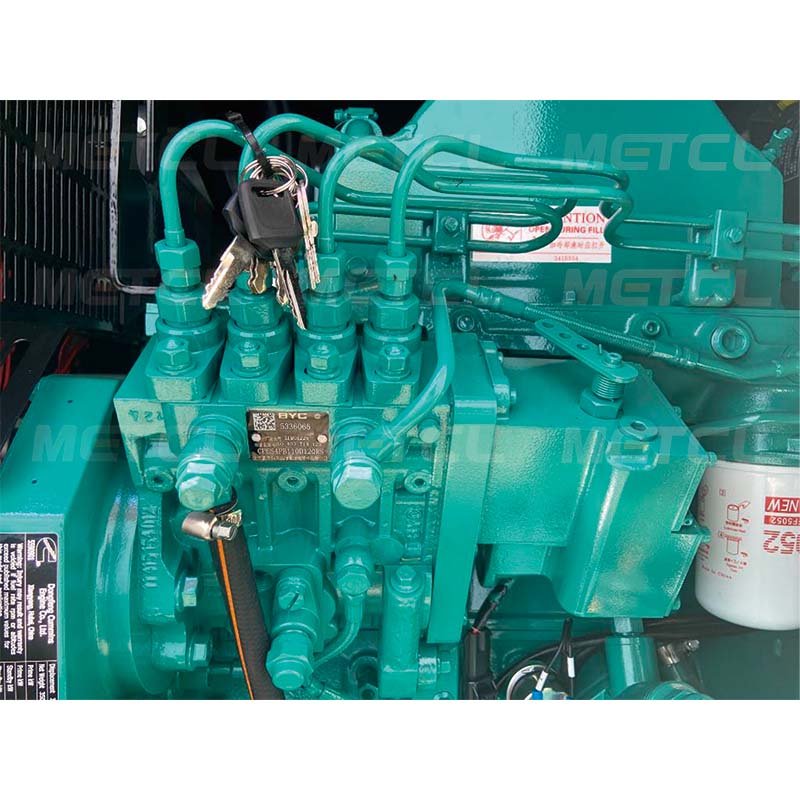
When the power goes out, the modern home can grind to a halt. Reaching for your phone, you realize the Wi-Fi is down, the fridge is warming, and that critical project on your desktop is out of reach. This is precisely why more homeowners are looking into backup power solutions, and for many, a 20 kW generator is the sweet spot. Understanding 20 kW Generator Installation & Setup: What You Need to Know is crucial to making an informed decision and ensuring your home stays powered when the grid fails.
This isn't just about buying a generator; it's about integrating a complex power solution safely and effectively into your home. It involves careful planning, professional installation, and ongoing maintenance to guarantee reliability.
At a Glance: Your 20 kW Generator Journey
- Timing is Key: Plan your purchase and installation during mild weather to avoid surge pricing and extended wait times.
- Professional Help is a Must: Standby generators involve high-voltage electricity and permanent fuel lines. This is not a DIY project.
- Placement Matters: Proper generator location prevents hazards like carbon monoxide buildup and fire risks.
- Fuel Options: Natural gas offers unlimited runtime; propane requires tank monitoring but is widely available.
- Beyond the Install: Ongoing maintenance is essential to ensure your generator performs when you need it most.
- Costs Vary: Expect to invest anywhere from $8,500 to over $25,000, depending on complexity.
Why a 20 kW Generator? Powering Your Modern Home Comforts
A 20 kW standby generator has become a popular choice for homeowners, and for good reason. It strikes an excellent balance between cost, footprint, and power output, often providing sufficient power to run a modern home's essential comforts. Think about it: your HVAC system, refrigerator, lighting, well pump, sump pump, and all your critical electronics like computers and routers. A 20 kW unit can typically handle these needs, allowing your family to maintain a sense of normalcy during an outage.
These generators operate using either natural gas or liquid propane (LP). When the utility grid goes down, an automatic transfer switch (ATS) detects the power interruption. It then signals the generator to start, and once it reaches operational speed, the ATS seamlessly transfers your home's power supply from the grid to the generator. When grid power is restored, the ATS switches you back, and the generator safely shuts down. It's a truly "set it and forget it" system – assuming it's installed correctly. For a deeper dive into sizing and selection, you might find Your guide to 20 kW generators helpful.
Before You Begin: The Crucial Planning Phase
Installing a whole-home generator isn't an impulse buy; it's a strategic investment that requires careful thought and preparation. Rushing this stage can lead to costly mistakes, safety hazards, and frustration.
Timing Your Investment
One of the most overlooked aspects of generator installation is timing. Everyone thinks about generators after a major storm or a prolonged outage. This causes demand and installation requests to skyrocket, leading to higher prices and long wait times for equipment and licensed professionals.
The Smart Play: Purchase and schedule your installation during mild-weather months – typically late spring, summer (before hurricane season), or early fall. This allows you to avoid the rush, potentially secure better pricing, and ensures your system is ready before you actually need it.
Assessing Your Power & Fuel Needs
Determining the right power output is critical. A 20 kW generator is generally considered robust enough for most average-sized homes, powering multiple major appliances and all your essential circuits. However, a professional site assessment will confirm if this size is indeed perfect for your specific energy demands.
Next, consider your fuel source:
- Natural Gas: If you have a natural gas line connected to your home, this is often the most convenient option. It provides an uninterrupted fuel supply, meaning your generator can run indefinitely as long as the gas line is active. No refueling, no monitoring tank levels – just continuous power.
- Liquid Propane (LP): For homes without natural gas access, LP is an excellent alternative. It requires an onsite storage tank (usually above-ground) that needs to be refilled periodically. The size of your LP tank will dictate your generator's run time, so consider your typical outage duration when planning.
Finding the Perfect Spot: Generator Placement Rules
Where you place your generator is paramount for safety, functionality, and compliance. There are strict rules to follow, primarily designed to prevent carbon monoxide buildup and mitigate fire risks.
- Distance from the House: Most manufacturers require a minimum distance of 5 feet from the house. This ensures that exhaust fumes, which contain dangerous carbon monoxide, dissipate safely away from windows, doors, and vents.
- Specific Models: Some manufacturers, like Kohler, have models that can be installed closer – as close as 18 inches from the house. Always check your specific generator's manual for its unique requirements.
- Local Regulations: Beyond manufacturer guidelines, your local municipality will have zoning and building codes. These might dictate whether you need a concrete pad or if a gravel bed is permissible for placement.
- Expert Advice: As Philip Olsen, a lead generator technician, often emphasizes, optimal placement considers not only safety clearances but also factors like noise reduction, aesthetic impact, and ease of access for maintenance. A professional will help you find that sweet spot.
- Level and Stable Surface: Regardless of material, the base must be level and stable to support the generator's weight and ensure proper operation. This usually means a poured concrete pad or a deeply compacted gravel bed.
The Heart of the System: Understanding the Automatic Transfer Switch (ATS)
While the generator produces the power, the automatic transfer switch (ATS) is the brain that makes the whole system seamless. This critical component constantly monitors your utility power. The moment it detects an interruption, it:
- Signals the generator to start.
- Waits for the generator to reach its optimal operational speed.
- Safely disconnects your home from the utility grid.
- Connects your home to the generator's power output.
When utility power returns, the ATS reverses this process, returning your home to grid power and allowing the generator to cool down and shut off. This automation is why standby generators are so popular – you don't have to do anything when the lights go out.
Beyond DIY: Why Professional Installation is Non-Negotiable
Let's be unequivocally clear: installing a whole-home standby generator is not a DIY project. This is a complex undertaking involving high-voltage electrical work, integration with your home's main electrical panel, and connection to a permanent fuel source. It requires specialized knowledge, specific tools, and adherence to stringent safety codes.
The Risks of Going It Alone
Attempting to install a standby generator yourself poses significant dangers and potential legal issues:
- Electrical Hazards: Improper wiring can lead to electrocution, fire, and potentially backfeeding power into the utility lines. Backfeeding is incredibly dangerous, as it can energize utility lines that linemen might be working on, leading to severe injury or death.
- Carbon Monoxide Exposure: Incorrect placement or improper venting can cause deadly carbon monoxide fumes to enter your home. This silent killer is odorless and colorless, making it undetectable without specialized alarms.
- Fire Risks: Faulty electrical connections or improperly installed fuel lines can lead to devastating fires.
- Voided Warranties: Most generator manufacturers will void your warranty if the unit is not installed by a licensed and certified professional.
- Legal & Regulatory Issues: In nearly all areas, installing a permanent standby generator requires permits, inspections, and licensed professionals. Non-compliance can lead to fines, forced removal, and difficulty selling your home. Professional installers are well-versed in the National Electrical Code (NEC) and all local building requirements.
What a Professional Installer Does: A Step-by-Step Process
When you hire a qualified professional, you're not just paying for labor; you're paying for expertise, safety, and peace of mind. Here's a typical professional installation process:
- Site Assessment & Permitting: The installer will visit your home to evaluate your electrical capacity, discuss fuel options, and determine the ideal location for the generator and transfer switch. They will then obtain all necessary permits (electrical, fuel, zoning, and potentially HOA approval).
- Location Selection & Preparation: Based on the assessment, they'll finalize the generator's location, ensuring it's level, well-ventilated, and meets all clearance requirements (e.g., at least 5 feet from doors/windows, 18 inches from walls for certain models). They'll prepare the site, which often involves leveling and compacting the soil, installing a robust concrete pad, and ensuring proper drainage.
- Electrical Connection: This is arguably the most critical step. The installer will install the automatic transfer switch (or manual, if applicable) and meticulously run high-voltage wiring from the generator to the switch and then to your home's main electrical panel. They'll ensure all circuits are correctly connected for either whole-home coverage or essential-load coverage, depending on your system design.
- Fuel System Setup:
- Natural Gas: They'll connect the generator to your utility's natural gas line, ensuring proper sizing and pressure.
- Propane: If using LP, they'll install the necessary propane lines, regulators, and shut-off valves, connecting them to your external propane tank.
- Diesel: For diesel units, they'll secure the tank and install filtered fuel lines.
All fuel connections must be gas-tight and meet all safety codes.
- System Testing & Inspection: Once everything is connected, the installer will perform rigorous tests. This includes starting the generator, verifying its operation under load (simulating a power outage), checking all safety systems, and ensuring seamless transfer between utility and generator power. Finally, they'll coordinate and complete all required municipal inspections.
When DIY is Okay: Portable Generators & Manual Transfer Switches
It's important to distinguish between standby generators and portable generators. While this article focuses on the former, it's worth noting that portable generators plugged directly into appliances or connected via a pre-installed inlet with a manual transfer switch can often be set up safely by homeowners. These systems typically don't require permanent wiring modifications or alterations to your home's main electrical system, nor do they involve permanent fuel line installations. However, even with portable units and manual transfer switches, professional installation for the transfer switch itself is highly recommended to ensure safety and code compliance.
Investing in Peace of Mind: Costs and Choosing Your Installer
Understanding the financial commitment and selecting the right professional are two sides of the same coin when planning your generator installation.
What to Expect: Generator Installation Costs
The cost of a whole-home standby generator system can vary significantly based on several factors: the generator brand and model, fuel type, local labor rates, complexity of your home's electrical system, and the distance between the generator, transfer switch, and fuel source.
Generally, most whole-home standby systems, including the generator unit, automatic transfer switch, and professional installation, fall into a range of $8,500 to $23,000. For more complex setups, such as those requiring extensive electrical panel upgrades, long fuel line runs, or challenging site preparation, the total cost can easily exceed $25,000. Remember, this is an investment in your home's resilience and your family's safety.
Picking the Right Pro: Key Questions to Ask
Choosing the right installer is as critical as choosing the right generator. A reputable, experienced professional ensures a safe, compliant, and reliable installation. Here’s what to look for and what questions to ask:
- Licenses & Certifications: Verify that the company and their technicians hold all necessary electrical and plumbing licenses for your region. Look for manufacturer-specific training certifications, which indicate specialized knowledge of your chosen generator brand.
- Fuel-Type Experience: Ensure they have proven experience with your chosen fuel type (natural gas or LP), as plumbing for each has specific requirements.
- Proof of Insurance: Request proof of liability insurance and worker's compensation. This protects you from financial responsibility if an accident occurs on your property.
- References & Reviews: Ask for references from previous generator installations and check online reviews.
- Clear, Itemized Written Quotes: Demand a detailed quote that itemizes the generator unit, transfer switch, labor, materials, permits, and any potential unforeseen costs. Avoid vague estimates.
Key Questions to Ask Potential Installers:
- "Based on my home's size and my family's needs, do you agree a 20 kW generator is the right size, and what fuel type do you recommend and why?"
- "Will my current electrical system require any upgrades to accommodate the generator, and are those included in the quote?"
- "What type of transfer switch will be installed, and what are its features?"
- "Are you familiar with all local building codes and HOA rules regarding generator placement and installation?"
- "Who is responsible for obtaining all necessary permits and scheduling inspections?" (The answer should be them.)
- "What does your warranty cover for the installation work itself, separate from the generator's warranty?"
- "What is your typical timeline for a project like this, from assessment to final inspection?"
By asking these questions, you empower yourself to make an informed decision and select an installer who prioritizes safety, quality, and transparency.
Keeping the Lights On: Essential Generator Maintenance
Many homeowners overlook generator maintenance once the installation is complete. However, ongoing care is crucial to ensure your system reliably kicks in when the power goes out. A generator is an engine, and like any engine, it needs regular attention.
Your Generator's Lifeline: The Service Manual
The first and most important rule of generator maintenance: read your generator's service manual. It contains specific care instructions, recommended service intervals, and troubleshooting tips tailored to your unit. This document is your primary guide.
Automated Exercise Runs: Set It and Forget It (Mostly)
Most modern standby generators are designed for convenience, including automated exercise runs. For instance, Kohler models perform automated weekly exercise runs. This short, self-test run keeps the engine lubricated, ensures components are functioning, and helps the system stay ready. The KOHLER 20 kW model, for example, often includes a premium five-year, 2,000-hour protection warranty, which further emphasizes the importance of following manufacturer guidelines for maintenance.
Philip Olsen's Expert Maintenance Schedule
Beyond the automated runs, generator expert Philip Olsen recommends a more proactive approach to keep your unit in top shape:
- Heavier Test Runs: Perform a longer, heavier test run twice a year. This means running the generator under a significant load for an extended period (e.g., 30-60 minutes) to ensure it can handle your home's demands, not just a brief self-test.
- Fuel Supply Check (Propane Users): If your generator runs on propane, check the main fuel tank supply level weekly. You don't want to discover an empty tank during a winter storm!
- Battery Status & Charge Rate: The battery is the heart of your generator's starting system. Check its status and charge rate every four weeks, especially after cold winters, which can strain batteries. Manufacturers typically recommend replacing the battery if its charge drops below 80%. A new battery is typically needed every five years, but diligent monitoring can help you replace it proactively.
- Engine Care (Oil & Filters): Engine care, including oil and filter replacement, should always follow the product manual's run-time schedule. As a minimum, plan for these services annually, even if the run-time hours aren't met. Clean oil and filters are essential for engine longevity and performance.
Ongoing Professional Care
While you can handle some basic checks yourself, scheduling annual professional maintenance is highly recommended. These appointments typically include:
- Oil and filter changes.
- Spark plug inspection/replacement.
- Valve adjustment (if applicable).
- Thorough system diagnostics and testing.
- Inspection of electrical connections, fuel lines, and transfer switch components.
- Checking for debris, corrosion, or pests that could interfere with operation.
Additionally, always keep the fuel fresh (using stabilizers if necessary for diesel or gasoline in smaller backup units), monitor propane or diesel levels diligently, and continue to run the generator monthly under load (or as recommended by the manufacturer) to ensure it's always ready to perform.
Your Next Steps to Uninterrupted Power
Installing a 20 kW generator is a significant step towards securing your home's comfort and safety during power outages. You've learned about the critical planning stages, the absolute necessity of professional installation, the costs involved, and the ongoing commitment to maintenance.
Your next step is to begin the research for qualified professionals in your area. Gather multiple quotes, ask the crucial questions outlined here, and don't hesitate to verify licenses and insurance. With the right team and a solid plan, you'll soon enjoy the peace of mind that comes with knowing your home is prepared, no matter what the grid throws your way.