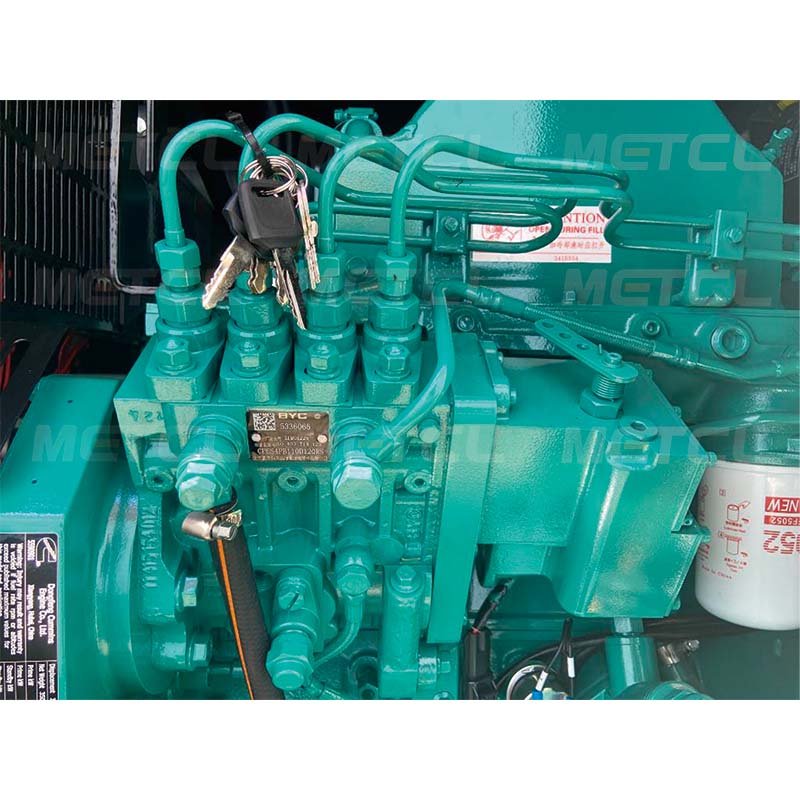
Power outages can feel like a sudden plunge into chaos, especially when you rely on electricity for everything from keeping food cold to running essential medical equipment. That's why investing in a whole-house generator, particularly a robust 20 kW model, has become a priority for many homeowners. But before you commit, understanding the 20 kW generator cost: pricing, installation & running expenses is crucial. This isn't just a simple purchase; it's a significant home improvement that bundles equipment, complex installation, and ongoing operational costs.
Think of it as adding a critical lifeline to your home. It's an investment in peace of mind, property value, and uninterrupted daily life. Let's break down exactly what you can expect to pay, what influences those figures, and how to budget smartly for continuous power.
At a Glance: Your 20 kW Generator Investment
- Total Installed Cost: Expect a typical range of $6,000 to $30,000 for a whole-house generator installation in 2025.
- Generator Unit (20 kW): Around $5,500 MSRP for the unit alone.
- Automatic Transfer Switch (ATS): Adds $600-$1,200.
- Professional Installation: Typically $2,000-$4,000, covering site prep, fuel lines, electrical work, and permits.
- Propane Tank (if applicable): $500-$2,500 depending on size and installation type.
- Key Cost Drivers: Generator size, brand, fuel type, transfer switch, electrical upgrades, permits, site complexity, and local labor rates.
- Running Costs: Varies significantly based on fuel type, load, efficiency, and local fuel prices.
- Smart Tip: Schedule your assessment and installation outside of peak storm seasons to potentially save on labor and ensure better availability.
Beyond the Price Tag: What Drives Your 20 kW Generator Cost?
The sticker price on a generator unit is just the beginning. The real cost comes from integrating that powerful piece of equipment seamlessly into your home's electrical and fuel systems. For many homes, a 20 kW generator is the sweet spot, offering enough power to cover most essential appliances, including a central air conditioner, well pump, refrigerator, and critical medical devices. Learn more about 20 kw generators and what they can power.
The total installed cost for a whole-house generator in 2025 typically falls between $6,000 and $30,000. This wide range reflects a multitude of factors, all contributing to the final invoice.
The Big Picture: Equipment vs. Installation
Essentially, your total generator project cost breaks down into two main categories:
- Equipment Costs: This includes the generator unit itself and the essential automatic transfer switch (ATS).
- Installation Services: This covers everything else – from site preparation and concrete slab pouring to gas line installation, all necessary electrical panel work, permits, and final testing.
It’s the installation services that often introduce the most variability in pricing, as they're highly dependent on your home's unique layout and local regulations.
Unpacking the Variables: A Detailed Look
Let's dig into the specific elements that swing your 20 kW generator cost up or down.
Generator Capacity (kW): Why Size Matters
While we're focusing on 20 kW models, it's worth noting that smaller or larger units naturally have different price points. A 20 kW unit is often chosen for its ability to handle a substantial load, making it suitable for many average-sized homes needing to power more than just the bare essentials. Determining your specific power needs is the first step in accurate budgeting.
Fuel Type & Infrastructure: Gas or Propane?
The type of fuel your generator uses significantly impacts both initial installation and ongoing running costs.
- Natural Gas: If your home already has a natural gas line, this can be the most convenient and cost-effective option for fuel. The generator connects directly to your home's existing gas feed, eliminating the need for separate fuel storage tanks. However, your existing gas line might need to be upgraded or sized appropriately to handle the generator's demand.
- Propane (LP): For homes without natural gas access, propane is a popular alternative. This requires the installation of a dedicated propane tank on your property.
- A 250-gallon tank typically costs $500-$1,500.
- A 500-gallon tank can range from $1,000-$2,500.
- Underground tanks, while more aesthetically pleasing, are considerably more expensive due to excavation and installation complexity.
The distance from your home's gas meter or the propane tank to the generator's location will also influence costs, as longer runs require more piping and labor, potentially including trenching. Understanding different fuel types and their pros and cons is essential for making an informed decision.
The Brains of the Operation: Automatic Transfer Switch (ATS)
The ATS is the unsung hero of a whole-house generator system. This device constantly monitors your utility power. When an outage occurs, it automatically disconnects your home from the grid and starts your generator. Once utility power is restored, it seamlessly switches your home back and shuts down the generator. This automation is what makes a standby generator truly "set it and forget it."
- An ATS typically costs $600-$1,200. The specific model and its amperage capacity (e.g., 200A) will determine the price. Learn how an automatic transfer switch works to appreciate its critical role.
Electrical Upgrades & Panel Capacity
Integrating a generator into your home's electrical system often requires careful planning and sometimes upgrades. Your main electrical panel needs to have sufficient capacity (e.g., 200A) and space to accommodate the generator's wiring and the ATS. Older homes, or those with panels already at capacity, might require panel upgrades, adding significantly to the cost. The routing of electrical conduit from the generator to the ATS and then to your main panel also impacts labor and material expenses.
Permits & Code Requirements: Don't Skip These
This isn't a DIY project. Local building codes dictate specific requirements for generator installation, including setbacks from structures, fuel line specifications, and electrical connections. Obtaining the necessary permits is non-negotiable and usually handled by your installer. Costs for permits can vary widely by jurisdiction, from a few hundred dollars to over a thousand in stricter regions. Attempting to bypass these can lead to fines, safety hazards, and issues with insurance or resale.
Site Accessibility: Location, Location, Location
The ease with which installers can access the chosen generator site plays a role in labor costs. If the site is far from the electrical panel or fuel source, or difficult to reach with equipment, expect higher installation fees. Long electrical or fuel runs, extensive trenching, or challenging terrain can quickly push costs towards the higher end of the spectrum.
Brand & Warranty: Trust and Reliability
The brand you choose can influence both the upfront cost and long-term reliability.
- Generac: Often considered a mid-range to premium option, Generac is known for its extensive dealer network and popular Guardian series. Cost drivers often include specific gas line sizing requirements, ATS selection, and any necessary panel or service upgrades.
- Kohler: Typically comparable to or slightly above Generac in price, Kohler generators are lauded for their robust build quality, strong engines, and comprehensive warranty options. A brand premium, local labor rates, and the complexity of the enclosure or site preparation contribute to its cost.
- Briggs & Stratton: Offering competitive pricing, Briggs & Stratton provides solid value with recognizable engine quality and user-friendly controls. Factors like the specific transfer switch chosen, the length of the fuel run, and any electrical room constraints can influence the final price.
Choosing a reputable brand often means better parts availability, easier servicing, and a more robust warranty, which can be invaluable over the generator's lifespan.
Local Labor Rates: The Human Element
Electricians and gas-fitters are highly skilled tradespeople, and their rates vary significantly by geographic location. Urban areas and regions with a high cost of living generally have higher labor rates than rural areas. Labor is a major component of the total installation cost, typically ranging from $2,000 to $4,000 for the professional installation itself. Planning ahead and scheduling your installation outside of peak storm seasons can sometimes lead to better pricing and faster service.
A Closer Look: Installation Components & Their Costs
Let's break down the typical cost components for a 20 kW whole-house generator installation.
| Component | Estimated Cost Range | Notes |
|---|---|---|
| Generator Unit (20 kW) | $5,500 | Manufacturer's Suggested Retail Price (MSRP), excluding installation. |
| Automatic Transfer Switch (ATS) | $600 - $1,200 | Essential for automatic power switching. |
| Professional Installation | $2,000 - $4,000 | Includes site prep, concrete pad, fuel line, electrical wiring, testing, and permits. Varies significantly by location and complexity. |
| Propane Tank (if applicable) | ||
| - 250 Gallon | $500 - $1,500 | For homes without natural gas. |
| - 500 Gallon | $1,000 - $2,500 | For larger homes or longer run times. Underground tanks are more expensive. |
| Electrical Upgrades | $0 - $3,000+ | If your panel needs expansion or significant rewiring to accommodate the generator. |
| Permits & Fees | $100 - $1,000+ | Varies by local jurisdiction. Usually handled by the installer. |
| Site Prep & Materials | (Included in Professional Installation) | Concrete slab for generator, trenching for fuel/electrical lines, conduit, wiring, piping. |
| Remember, these are estimates. Your actual costs will depend on your specific circumstances and chosen installer. |
Estimating Your Project: A Step-by-Step Guide
Getting an accurate quote requires a professional assessment, but you can get a good preliminary estimate by considering these factors:
Step 1: Determine Your Power Needs (kW Sizing)
Even though you're looking at a 20 kW model, it's vital to confirm if this size genuinely meets your needs. Make a list of essential circuits you want to cover during an outage:
- HVAC (air conditioning/furnace)
- Refrigerator and freezer
- Well pump (if applicable)
- Lights and critical outlets
- Medical devices
- Water heater
- Garage door opener
- Computers/entertainment systems
Many homes find that 16-22 kW is sufficient to cover these crucial loads. Over-sizing can lead to unnecessary expense, while under-sizing leaves you unprepared.
Step 2: Plan Your Fuel Path
- Natural Gas: How far is the proposed generator location from your existing gas meter? Is your current gas line appropriately sized for a 20 kW generator? (This often requires a professional assessment by a gas-fitter).
- Propane: Where will the tank be located? How far is it from the generator and your home? Will trenching be required for the fuel line? Consider above-ground vs. underground options.
Step 3: Assess Your Electrical System
- ATS Location: Where will the automatic transfer switch be installed? Typically near your main electrical panel.
- Panel Capacity: Do you have a 200A electrical panel? Is there space within the panel for the new generator circuits?
- Conduit Path: What's the most direct and safest route for electrical conduit from the generator to the ATS and main panel?
Adding a Buffer for Complexity
As a rule of thumb, if you anticipate long fuel or electrical runs, require significant electrical panel upgrades, or live in an area with strict permitting, it's wise to add 10-20% to the estimated cost range. This buffer accounts for unforeseen complexities.
The Best Way to Get an Estimate: In-Home Assessment
The most accurate way to understand your specific 20 kW generator cost is to schedule a free, in-home assessment with an authorized dealer. They can evaluate your home's unique layout, electrical system, fuel options, and local code requirements to provide a tailored quote.
The True Cost of Ownership: Running & Maintenance Expenses
The upfront installation cost is just one part of the equation. Like any major appliance, a generator has ongoing running and maintenance expenses.
Fuel Consumption: What to Expect
The cost to run your generator depends heavily on its fuel type, capacity, the load it's carrying (how many appliances are drawing power), its efficiency, and, of course, local fuel prices.
- Natural Gas Generators: Often more cost-effective for extended outages if you have a continuous supply. The exact cost per hour will depend on your local natural gas rates and the generator's fuel consumption at different load levels.
- Propane Generators: Fuel costs can be higher than natural gas, and you're limited by the size of your tank. A 500-gallon tank might provide several days of continuous power for a 20 kW unit under moderate load, but this can vary wildly. It's crucial to keep your tank adequately filled, especially before storm season.
It's wise to ask your dealer for estimated fuel consumption rates for your specific 20 kW model at various load percentages (e.g., 25%, 50%, 75% load) to help you budget for potential outage durations.
Routine Maintenance: Keeping Your Investment Healthy
Just like your car, your generator needs regular maintenance to ensure it's ready when you need it most. Most manufacturers recommend annual servicing by a certified technician. This typically includes:
- Oil and filter changes
- Spark plug inspection/replacement
- Air filter inspection/replacement
- Battery check
- General inspection of fuel, electrical, and cooling systems
Annual maintenance contracts can cost $200-$500 per year. Skipping maintenance can lead to breakdowns, reduced lifespan, and potentially voiding your warranty. A generator maintenance checklist can help you keep track of what's needed.
Unexpected Repairs
While a good warranty offers protection, be prepared for potential repair costs down the line, especially as the unit ages. Regular maintenance greatly reduces the likelihood of costly surprises.
Is a 20 kW Generator a Smart Investment? (Beyond Just Outages)
While the primary driver for a whole-house generator is uninterrupted power, the benefits extend beyond simply keeping the lights on. The many benefits of a whole-house generator can significantly enhance your home life and even its market value.
Home Value & Market Appeal
A whole-house generator is a significant home improvement that can increase your property's value, especially in areas prone to frequent or prolonged power outages. It's a highly desirable feature for potential homebuyers, offering a tangible sense of security and modern convenience.
Comfort & Security
Beyond mere functionality, a generator provides comfort and security. You won't have to worry about spoiled food, frozen pipes, a loss of heating or air conditioning, or being unable to work or communicate during an outage. For those with medical devices, it's an absolute necessity.
Tax Implications: What the IRS Says
Generally, the cost of a whole-house generator for personal use is considered a home improvement by the IRS and is not tax-deductible. However, there can be exceptions for business use (if you operate a home-based business where power is critical) or if the generator is deemed a medical necessity by a physician. It's always best to consult a qualified tax professional for personalized advice regarding your specific situation.
Smart Load Shedding: A Cost-Saving Strategy
Many modern generators, especially 20 kW models, can be integrated with smart load-shedding accessories. These devices monitor your power usage and, during an outage, can temporarily shed non-essential loads (like a second A/C unit or electric dryer) to prevent overloading the generator. This clever trick can sometimes allow you to use a slightly smaller, less expensive generator while still covering all your essential loads, saving you on upfront costs.
Choosing Your Partner: Selecting the Right Installer
The quality of your generator system hinges heavily on the expertise of your installer. This isn't a job for just any contractor.
- Qualifications & Licensing: Ensure your installer is fully licensed, bonded, and insured. They should have certified electricians and gas-fitters on staff or reliable subcontractors.
- Experience & Reputation: Look for a company with a proven track record specifically in generator installation. Check online reviews, ask for references, and ensure they are an authorized dealer for the brand you're considering. Finding a reliable generator installer is key to a smooth process and reliable system.
- Comprehensive Quotes & Transparency: A reputable installer will provide a detailed, itemized quote that clearly breaks down equipment, labor, and permit costs. They should be transparent about what's included and answer all your questions thoroughly. Be wary of installers who offer significantly lower prices without clear explanations.
Your Next Steps to Uninterrupted Power
Investing in a 20 kW whole-house generator is a smart move for any homeowner seeking resilience against power outages. While the initial 20 kW generator cost, pricing, installation, and running expenses can seem substantial, the peace of mind and protection it offers are invaluable.
Your best first step is to contact a few authorized generator dealers in your area to schedule free, in-home assessments. They will walk you through the specifics of your property, help you size the perfect system, explain all the cost variables, and provide accurate, detailed quotes. With a clear understanding of the investment, you can confidently move forward and secure your home's power future.